Kota Kinabalu, Sabah, East Malaysia (25th to 28th December 2010)
http://www.kotakinabalu.com/
http://www.tripadvisor.in/Tourism-g298307-Kota_Kinabalu_Sabah-Vacations
Sabah is Malaysia's 2nd largest state. The state is known as 'The Land Below the Wind' as it is located south of the typhoon belt. The capital once known as Jesselton, was renamed in 1967, Kota Kinabalu.
Mount Kinabalu:
At 4101 m, it is the highest mountain in South-East Asia
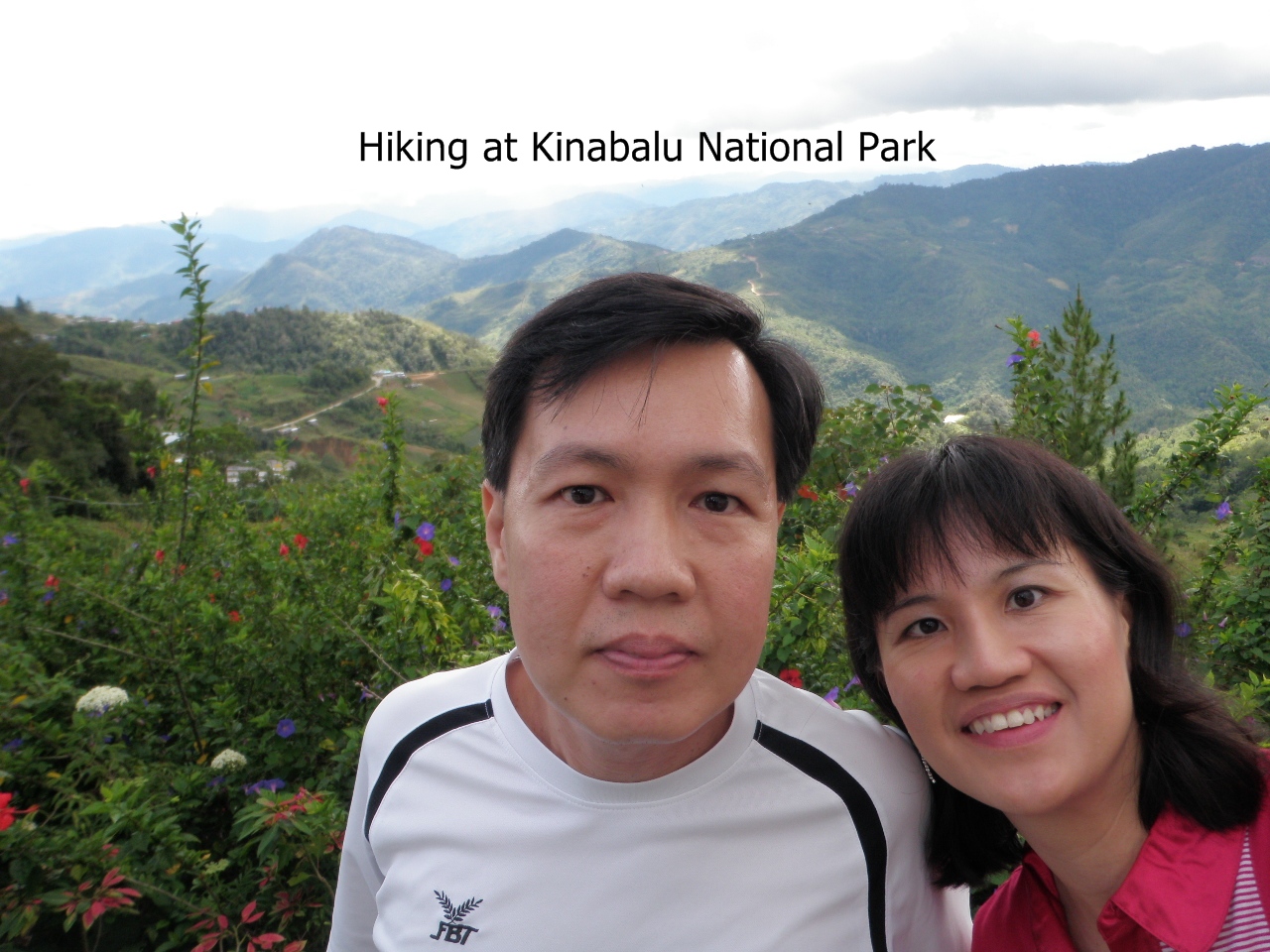
Kinabalu National Park:
described by one expert as 'the richest and most remarkable assemblage of plants in the world'
Its magnificent variety of vegetation is second to none. This fact was confirmed in 2000, when Kinabalu National Park was declared Malaysia's first World Heritage site by UNESCO.
How to get there:
From Kota Kinabalu, the route to the mountain takes us along a highway and past Telipok, a pottery centre. A few minutes after turning right at the large roundabout, watch on the left for a suspension bridge as we near Tamparuli village. This bridge has been immortalised in a popular Kadazan song, Jambatan Tamparuli.
The road now reveals panoramic view of terraced gardens carved out of the steep hillsides, and glimpses of the summit of Mount Kinabalu and several waterfalls. Various lookout points and handicraft stalls can be found as we gain altitude. Nabalu,about 15 minutes before the Park Headquarters, is one of them.
Kinabalu Botanical Garden:
Tunku Abdul Rahman Marine Park:
it consists of 5 islands:
Pulau Gaya
Pulau Sapi
Pulau Manukan
Pulau Mamutik
Pulau Sulug
- a marine sanctuary about 50 km2 in size created in 1974
- the coral reefs around here are at shallow depths and are ideally suited to snorkelling and training of diving novices.
- The visibility is 3-15m here
- the wettest months are during the SW monsoon period, June to Dec
- the driest months are Jan to May
- the calmest weather being in Feb to May
Where to eat:
As in any Asian city, the best food in KK is the street food and hawker stalls.
Night Market: (off Jln Tun Fuad Stephens; meals from RM2, 5pm to 11pm)
Borneo:
see also:
740,000 Km2 (compare 690 Km2 of Singapore) of tropical island, home to a great diversity of people, plants and animals, the third largest island in the world, after Greenland and New Guinea.
It has an unrivalled wealth of natural life with some of the world's most extraordinarily varied plants and animals, many of which are found only in Borneo. And Borneo's fascination lies in the multicultural diversity of its many peoples.
Geography:
Millions of years ago, during the Pleistocene period, Borneo formed part of Sundaland, a vast continent made up of Southeast Asia and the Indonesian archipelago. As sea levels rose at the end of the last Ice Age, Borneo and its diverse wildlife became cut off from the mainland.
Best time to visit: February to April and August to September.
Avoid November to February and May to June (monsoon winds bring heavy rain)
(for diving and snorkelling - Western coast of Sabah has its drier weather from Jan to May and its wetter season fron Jun to Sep; Eastern coast of Sabah is comfortable all year round)
Borneo top 20:
1) Bako National Park
In Sarawak near Kuching
See proboscis monkeys, bearded pigs and long-tailed macaques
Over a dozen hiking trails to sandstone plateaus, waterfalls, secret bays and secluded beaches
Pass through endangered lowland ecosystems - mangrove, heath forest, dipterocarp forest
See pitcher plants and terrestrial orchids
2) Danum Valley
In Sabah near Tawau
Primeval jungle with pygmy elephants, wild orang-utans and wild birds
3) Gunung Mulu National Park
has the biggest cavern (cave chamber) on earth (Sarawak Chamber)
has the world's largest cave passage (the Deer Cave)
has Asia's longest cave (the Clearwater Cave)
has a phantasmagorical forest of stalactites and stalagmites
see bats
it has 2 main mountain peaks: Gunung Mulu (2377m) and Gunung Api (1682m)
a Unesco World Heritage site since 2005
some cave tours need to book well in advance
all cave tours have to be guided
In Sarawak. Fly in from Miri
a 480m-long skywalk is one of the best in Southeast Asia
4) Kinabatangan River Safari
In Sabah, along Sungai Kinabatangan
Sabah's longest river, which constricts the jungle below Sandakan
The water is bracketed by riverine forest teeming with civet cats, orang-utans, proboscis monkeys, saltwater crocodiles, monitor lizards, hornbills, kingfishers and hawks
Stay in a jungle camp in the villages of Sukau and Bilit, or in a local homestay
5) Mt Kinabalu
Highest mountain in Borneo and Malaysia
climbable by novice trekkers
home of the spirits of local indigenous tribes
endemic cradle of some 6000 plant species and several unique-in-Borneo ecosystems
it is not a volcano, but a huge granite dome that rose from the depths below some 9 million years ago
start the ascent (4 to 6 hours) to Laban Rata (3272m) spend the night, wakes up at 2.30 am the next day to reach the summit for the sunrise
Best time to go: February to April are the driest months on the mountain
6) Sarawak Longhouse
get a sense of indigenous tribal culture
a whole village stays under a single roof
these dwellings can be longer than 2 football pitches and contain dozens of family units
a common covered veranda is used for economic activities, socialising and celebrations
7) Tunku Abdul Rahman National Park
in Sabah, across the bay of Kota Kinabalu
all accessible by boat from the KK jetty
8) Kelabit Highlands
in Sarawak's northeastern corner
air is clean and cool
green rice fields
scrumptious local cuisine
trekking from longhouse to longhouse
9) Home Stays in Sabah
an excellent way of experiencing indigenous hospitality
enjoy home-cooked meals
10) Kuching
Borneo's most sophisticated and stylish city
an atmospheric old town, a romantic waterfront, fine cuisine for all budgets, chic night-spots
the city's biggest draw is what's nearby some of Sarawak's finest natural sites, easy to visit on day trips: spot semi-wild orang-utans or search out a giant Rafflesia flower in the morning, look out for proboscis monkeys and wild crocs on a sundown cruise in the South China Sea, and then dine on super-fresh seafood or crunchy midin fern tips.
11) Pegunungan Meratus
in Kalimantan
mist-laced, river-crossed peaks forested in thick jungle, steep valleys and jagged karst formations
homestay in a village
river-rafting and trekking
12) Poring Hot Springs
located within a beautiful park, the springs are surrounded by a clump of jungle that criss-crossed with small trekking paths, a swing bridge and a lovely canopy walkway upto 40m above the jungle floor
13) Rafflesia Flower
upto 1m in diameter, the world's largest flower is a true wonder of the botanical world
a parasitic plant lacking roots, stems or leaves, this astonishing bloom - blotchy red and white with five fleshy petals - burst forth from a cabbage-sized bud that takes nine months to mature and then lasts only five to seven days
Best places to see: Gunung Gading National Park has 30 to 50 Rafflesia blooms a year within day-trip distance of Kuching; Tambunan Rafflesia Reserve which is probably the best place in Sabah to see.
14) Semenggoh Nature Reserve
near Kuching
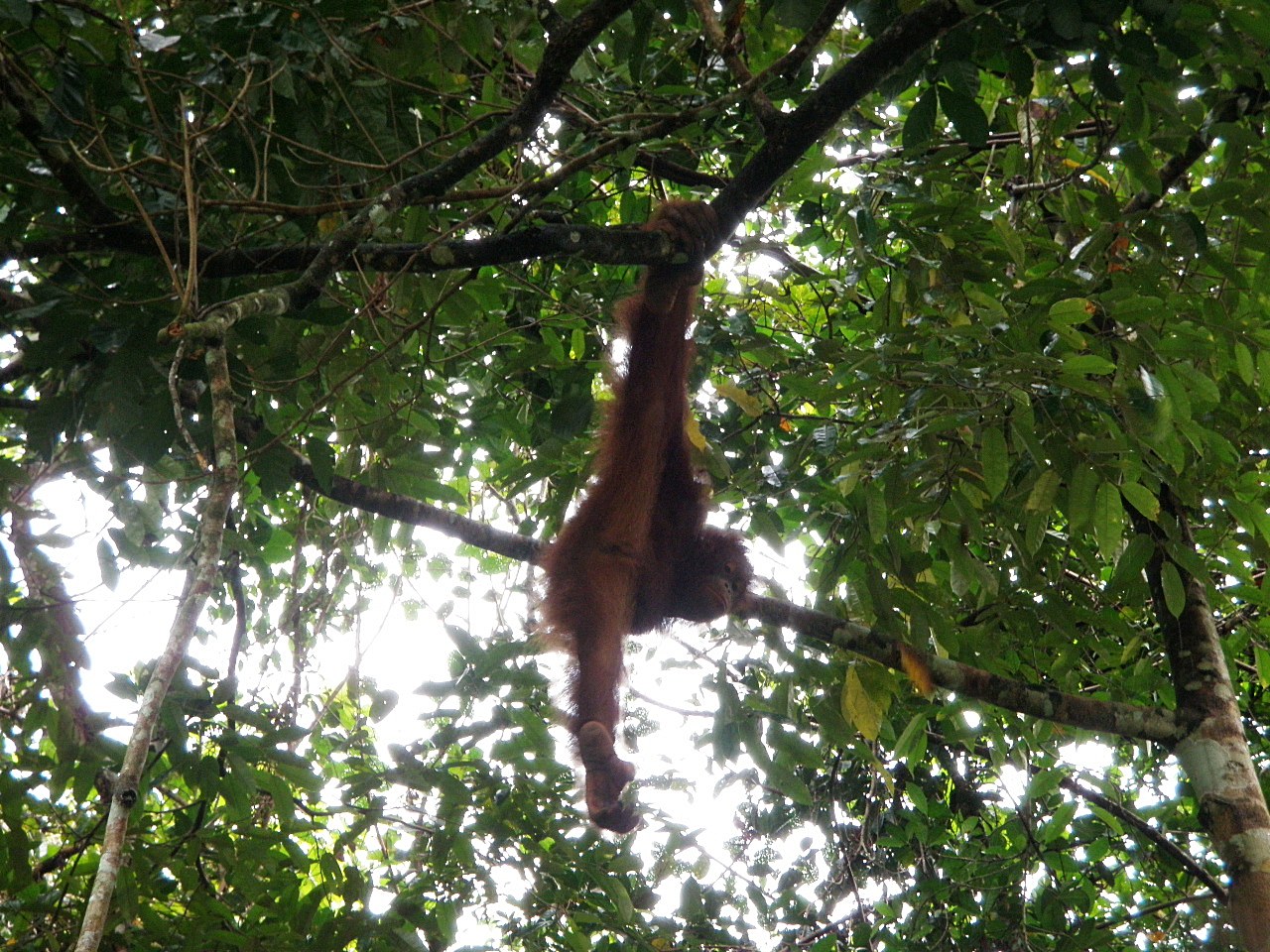
one of the best places in the world to see semi-wild orang-utans
has 2 beautiful rainforest trails: the Masing Trail and Brooke's Pool Trail
15) Temburong District
primary rain forest unblemished by raods, buildings or logging gashes
get a taste of the primeval jungle at Ulu Temburong National Park
a delicate aluminium walkway, secured by guy-wires, takes one 60m above the forest floor
the only way in is an exciting longboat ride
once there, climb into the jungle canopy and have wild fish nibble the feet in a cool stream
16) Sepilok Orang-Utan Rehabilitation Centre
in Sabah
go from Sandakan
a dedicated research and rehabilitation facility, one of the better ones in Borneo
rescued orang-utans living free in the forest
17) Derawan and the Sangalaki Archipelago
a little group of islands in the Celebes Sea, to the east of Kalimantan
among the most beautiful and unspoilt in Indonesia
dip with giant turtle, snorkel or scuba dive with manta rays in the coral blue waters
Barracuda, shark, rich coral reefs - all the treasures of the sea are waiting
18) Tanjung Putting National Park
at the south of Kalimantan
the best place in the world to experience close-up encounters with semi-wild orang-utans
go on a upriver journey on a chugging klotok boat (both home and lookout tower)
19) Maliau Basin
in Sarawak
a rock-rimmed depression filled with primary rainforest that's untouched, uncut jungle, trees as old as civilisation
20) Sipadan
located 36 km off Sabah's southeast coast
Fly to Tawau from KK (40 minutes) or KL. Take a Taxi or bus to Semporna (1.5 hrs). Followed by a 45-minute speedboat ride.
one of the world's best dive sites
it is Malaysia's only oceanic island rising 600 m from the seabed in the Celebes Sea
legendary for coral walls, large pelagic species, trutles and deep wall dives
(Borneo is part of the "Coral Triangle"
www.coraltrianglecenter.org
home to 600 coral species and over 3000 types of fish, Borneo boasts some of the most breathtaking dive sites anywhere on the planet)
stay in Mabul or Kapalai, as no accommodation is allowed on Sipadan
advanced booking required, as there is a quota to the no. of divers allowed per day (80)
Best time to go: March to July when the waters are calmer
Straits Times travel article on 17/4/2012:
Straits Times Travel Article on 14 Oct 2014: